
Engineering
From design and precision manufacturing to duty validation and quality traceability, this section presents the engineering chain behind Rasta permanent-magnet motors and intelligent drive controllers.
- Topics
- 5
- Process steps
- 4
- System cert.
- ISO 9001
- Product cert.
- Pending
An integrated motor and drive-control system
The controller and permanent-magnet motor share one housing, presenting power and control interfaces to the equipment side while simplifying external cabinets, power wiring and system integration.
Controller and motor ship in one housing; the customer side needs only power and a single control signal. The RS485 register map and 0–10 V mapping are pending from the factory.
The engineering chain from design to validation
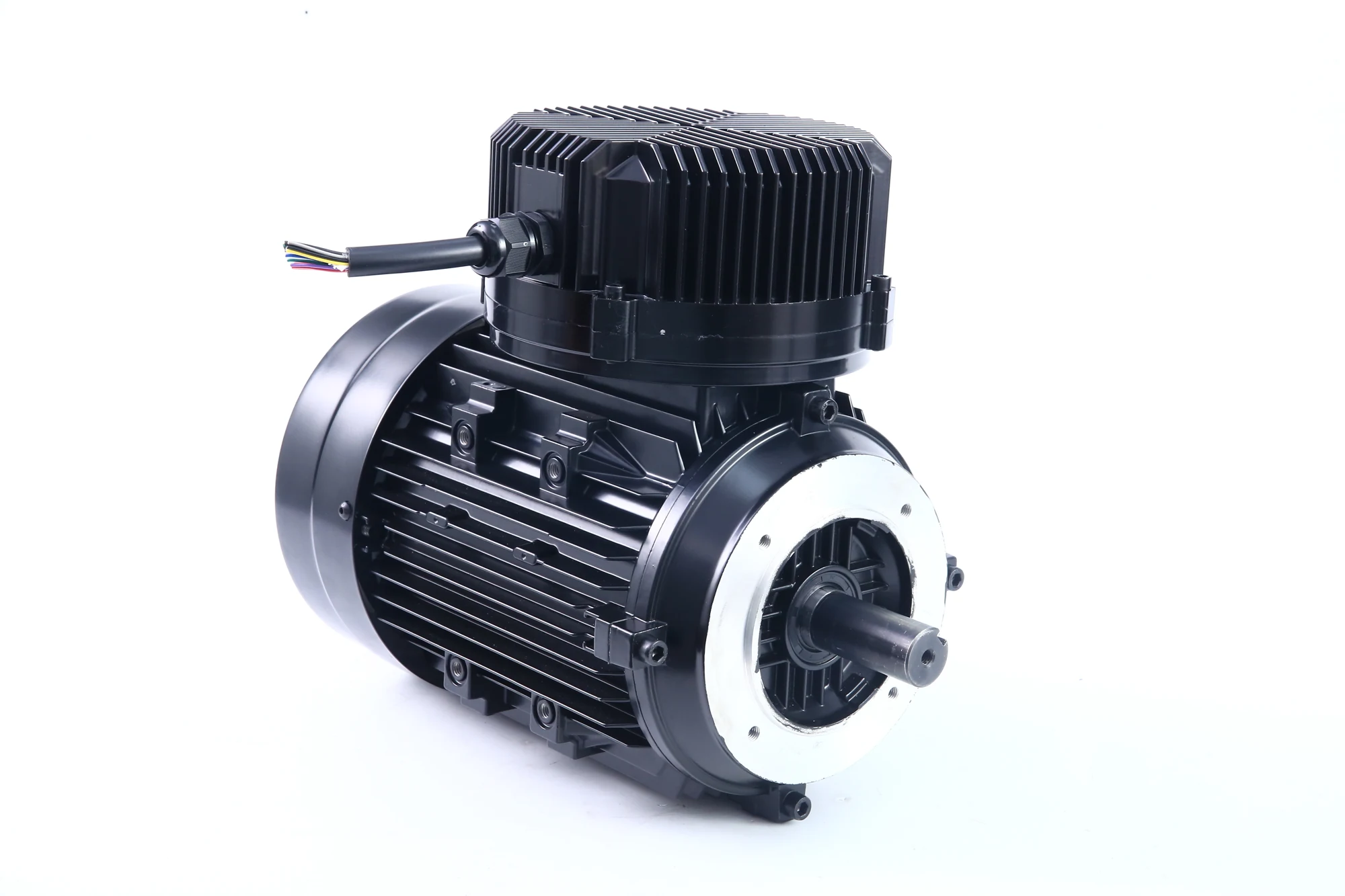 01Why ECBPermanent-magnet motor and integrated control for variable-speed duty.Comparing an EC (electronically commutated) PM synchronous motor with a fixed-frequency induction motor, the legacy site claimed "20% smaller, over 30% lighter than an induction motor of the same rating" — comparison figures with no reference model and no test condition, so they are not used here. Only three differences actually matter for ventilation equipment./en/technology/why-ec
 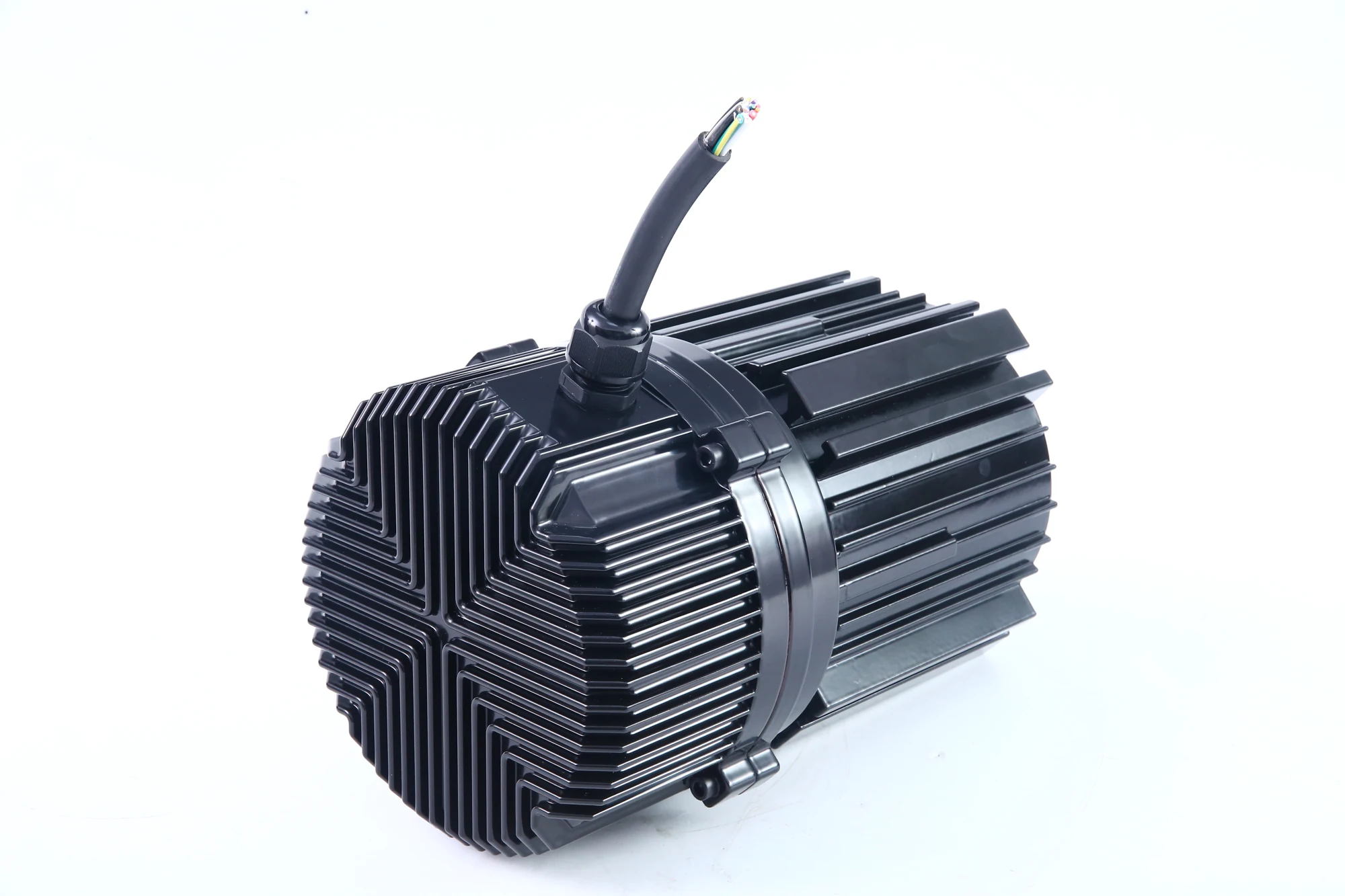 02Design & structureBStart from the application to define electromagnetic, thermal and structural limits.Development starts from the application. Electromagnetic, mechanical and thermal simulation establish design limits, while integrated construction, interfaces and sealing define the assembly and protection path./en/technology/design
 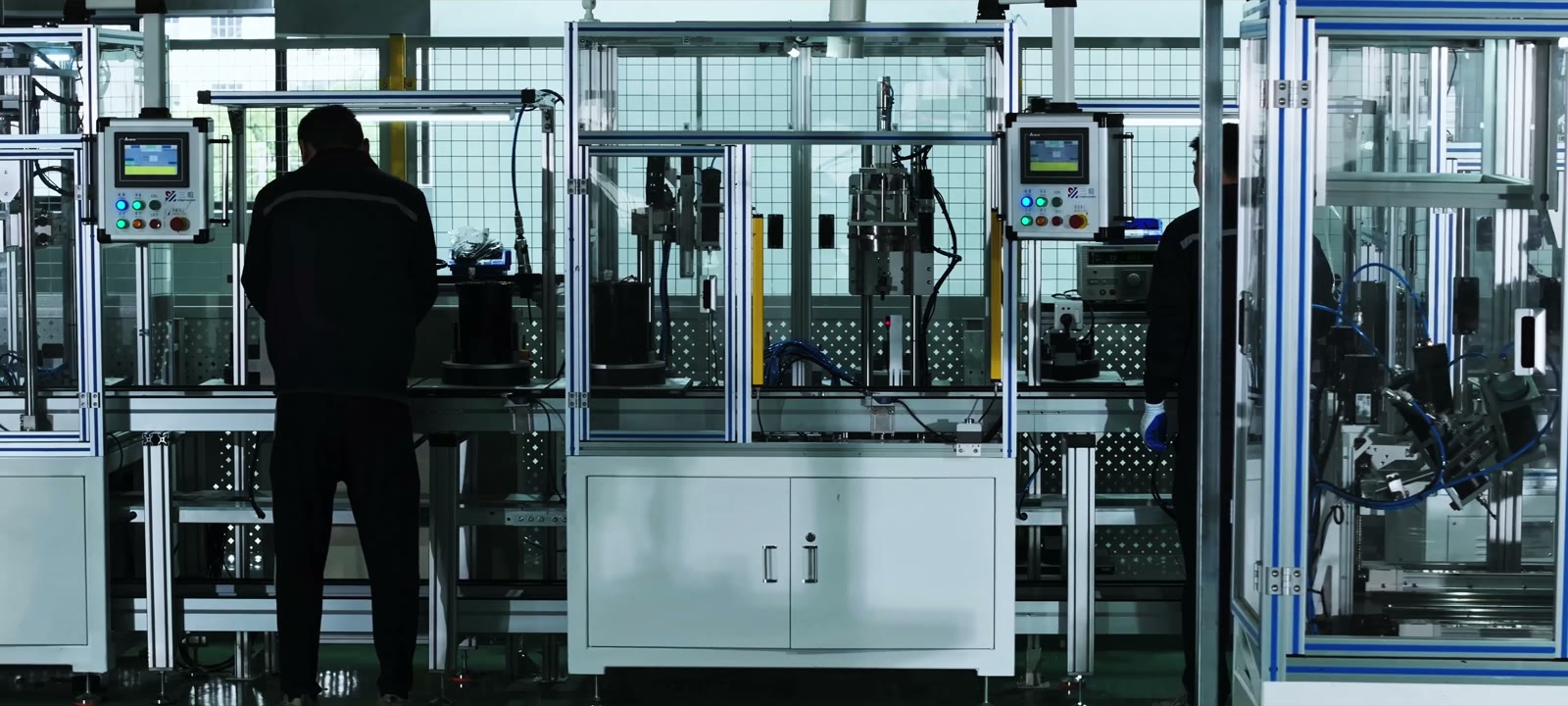 03Precision manufacturingAPrecision manufacturing, pursued to perfection.Rotor balancing, vacuum potting, post-potting machining and servo press assembly follow the production sequence, supporting vibration control, heat transfer, assembly accuracy and long-term stability./en/technology/manufacturing
 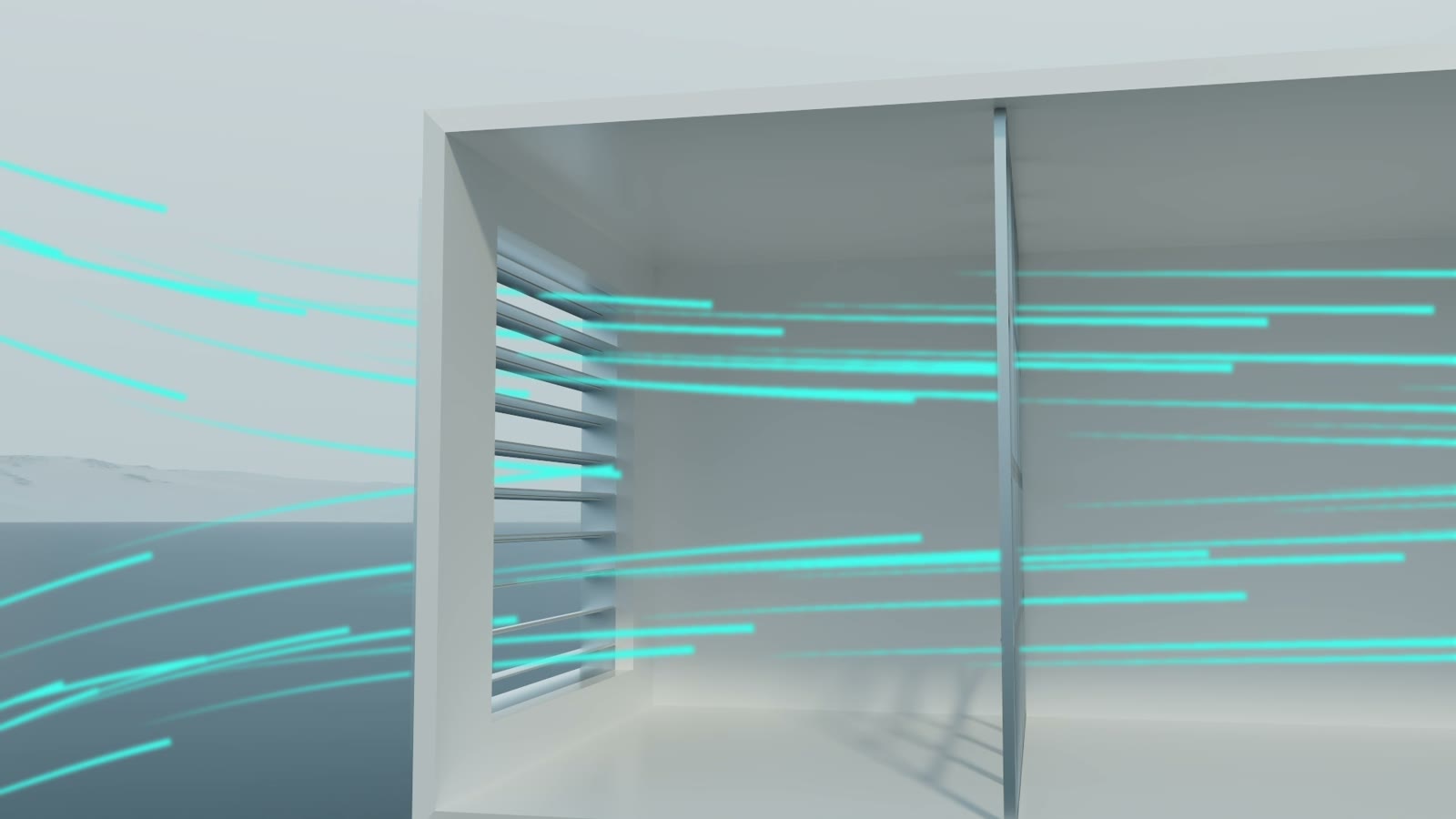 04Duty validationADemanding duty, used to prove lasting durability.Rasta uses livestock negative-pressure fans as a durability-validation duty, recreating poultry-house negative pressure in a sealed test space and observing operation as pressure rises and cooling airflow falls./en/technology/validation
 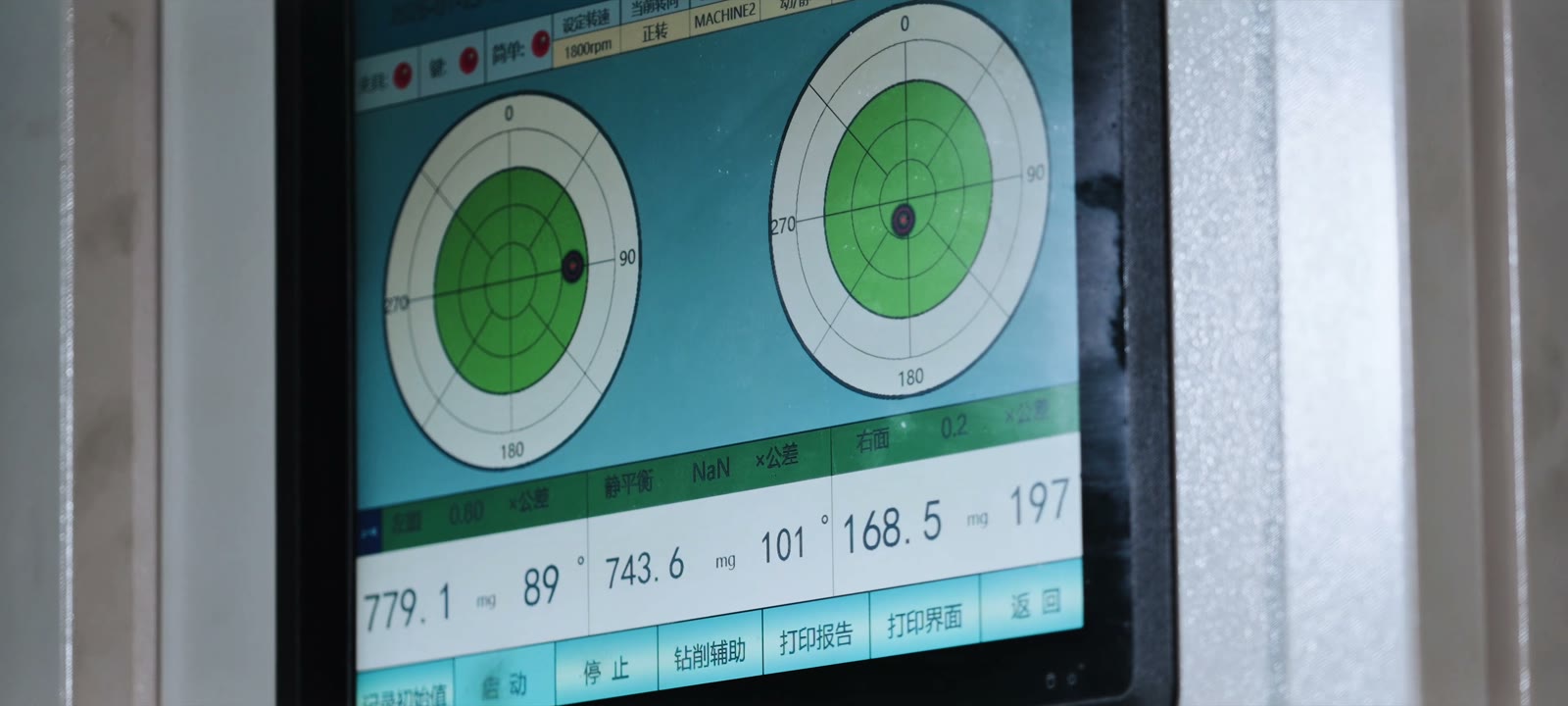 05Quality & traceabilityATraceability from production materials to final assembly.A quality system and production traceability are two different things: the first is an ISO 9001 certified management system with a certificate, a scope and an expiry date; the second is a per-machine record chain from raw material to assembly. Neither substitutes for product test reports./en/technology/quality
 Technical claims grounded in documented evidence
Technical information is presented according to its source and validation status. Manufacturing, testing and interface information supported by documents is shown; certifications and ratings without corresponding reports are not published as product specifications.
Documented information
- AISO 9001:2015Three-page certificate on file with number, scope and validity
- AFour process stepsFilm and script record the full sequence
- ANegative-pressure test capabilityChamber footage exists in the AE clips and film
- BRS485 / 0–10 V interfacesConsistently stated across all five product pages
- CEC80 legacy insulation and temperature informationThe legacy FAQ states Class F / 155 °C and a highest 98 °C on 2.2 kW; scope and test conditions remain pending
- CSix construction measures for sealingThe construction can be described, but it does not establish an IP rating or product performance
Validation documents required
- DIE5All five versions claim IE5; no test report locally, withheld
- DIP55No test evidence; ISO 9001 is a system certificate, not an IP test
- DCE complianceMentioned only on the overseas page; no declaration or test file provided
ISO 9001 certifies a management system and cannot stand in for product certification. Once the respective test reports or declarations exist, these four move to the left column.
Next